 Project · Scuola Iconografica di Seriate
+36%
information requests, compared with 2025
Why the courses page wasn't bringing in students
The courses page now gets one click for every ten times it shows up on Google, up from one in forty. Information requests grew 36% over 2025.
«Thank you, Davide, for your skill and professionalism in renewing our website. It is now more beautiful, easier to use and simpler to search for the various topics. The human relationship, a key ingredient for a job well done, is one of Davide's defining qualities. Definitely recommended.»
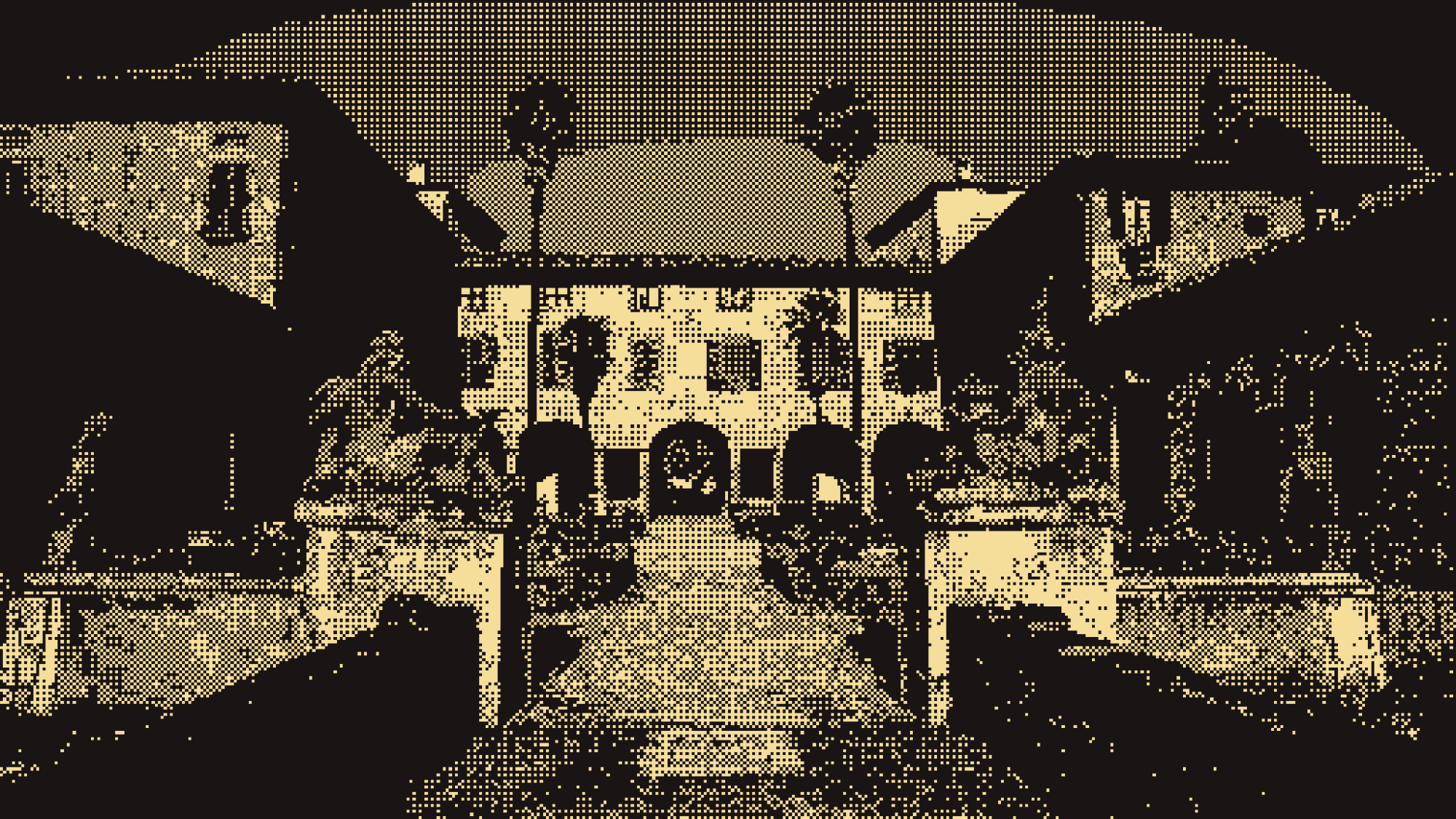
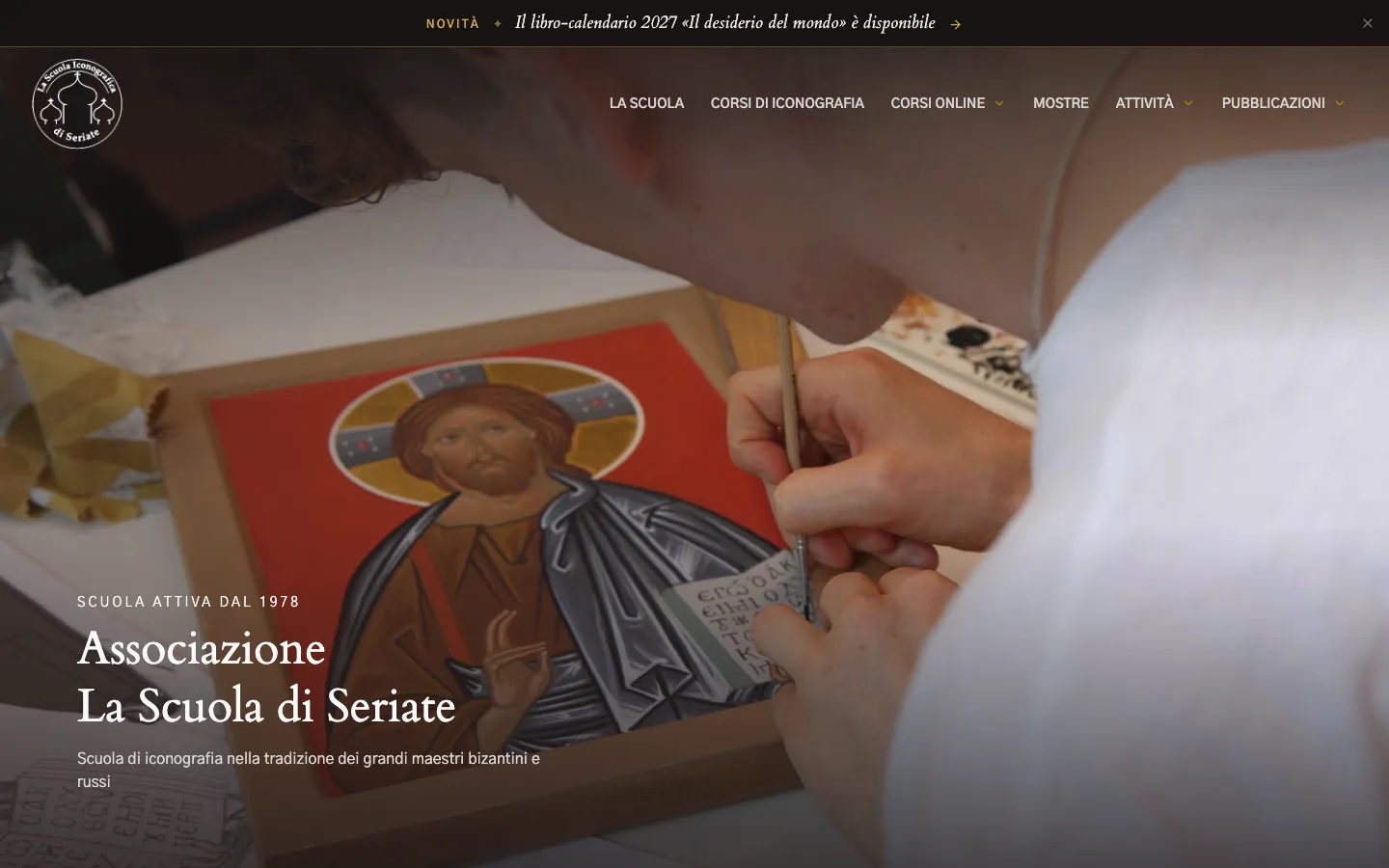
The Scuola Iconografica di Seriate (the Iconographic School of Seriate) has been teaching icon painting since 1978, at Villa Ambiveri, just outside Bergamo. It is linked to the Fondazione Russia Cristiana, whose Wikipedia entry even gives it a section of its own. Offline, the authority was already there. On the website, it wasn’t.
Where we started
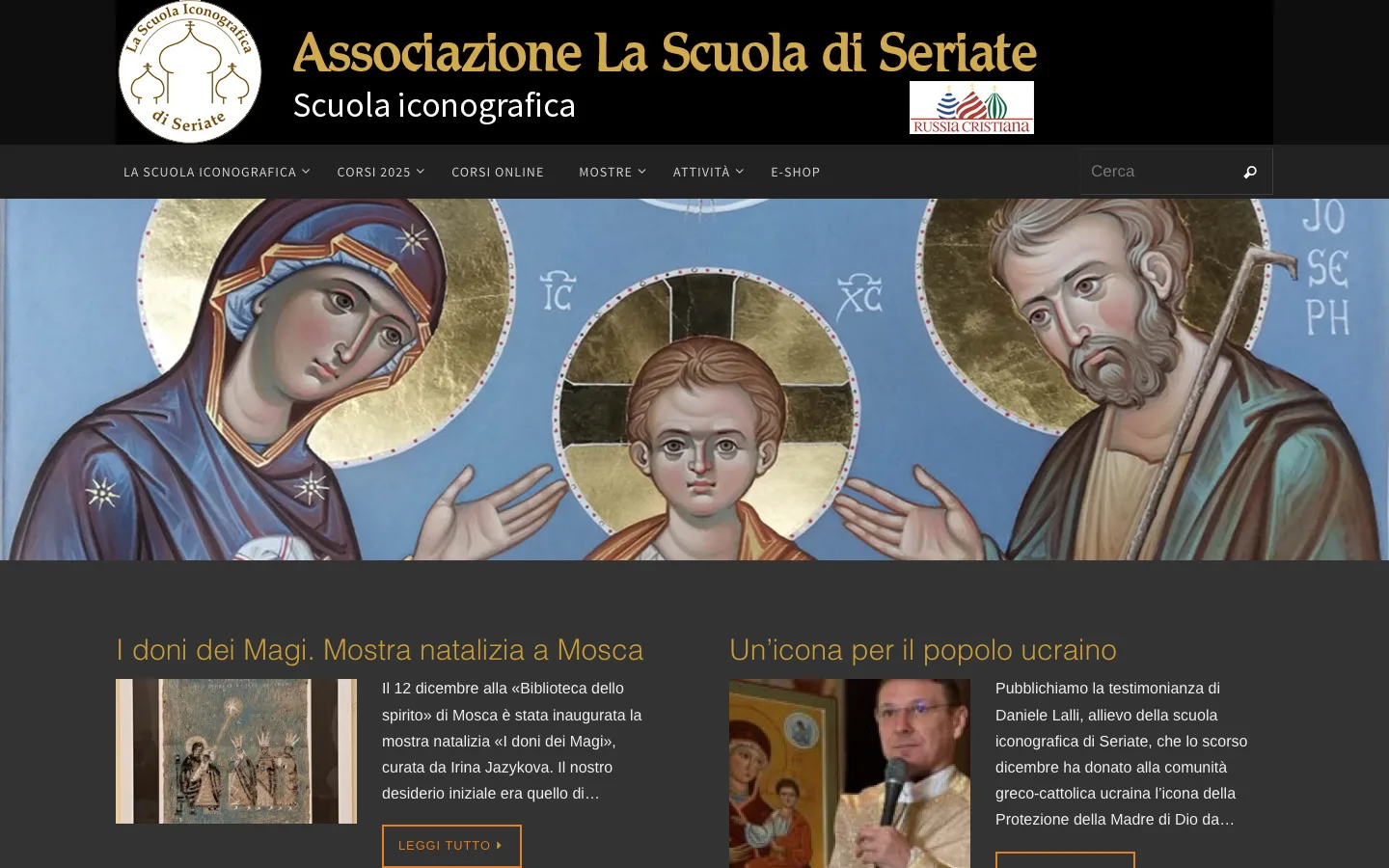
In February 2026 the site was a WordPress install holding decades of the school’s activity: news, exhibitions, notices, articles. All on the same level, with no structure telling Google (or visitors) what mattered most.
You could see the result in the data. About three pages out of four didn’t get a single click from search, because they told community stories nobody looks up on Google. Traffic was concentrated on a handful of pages.
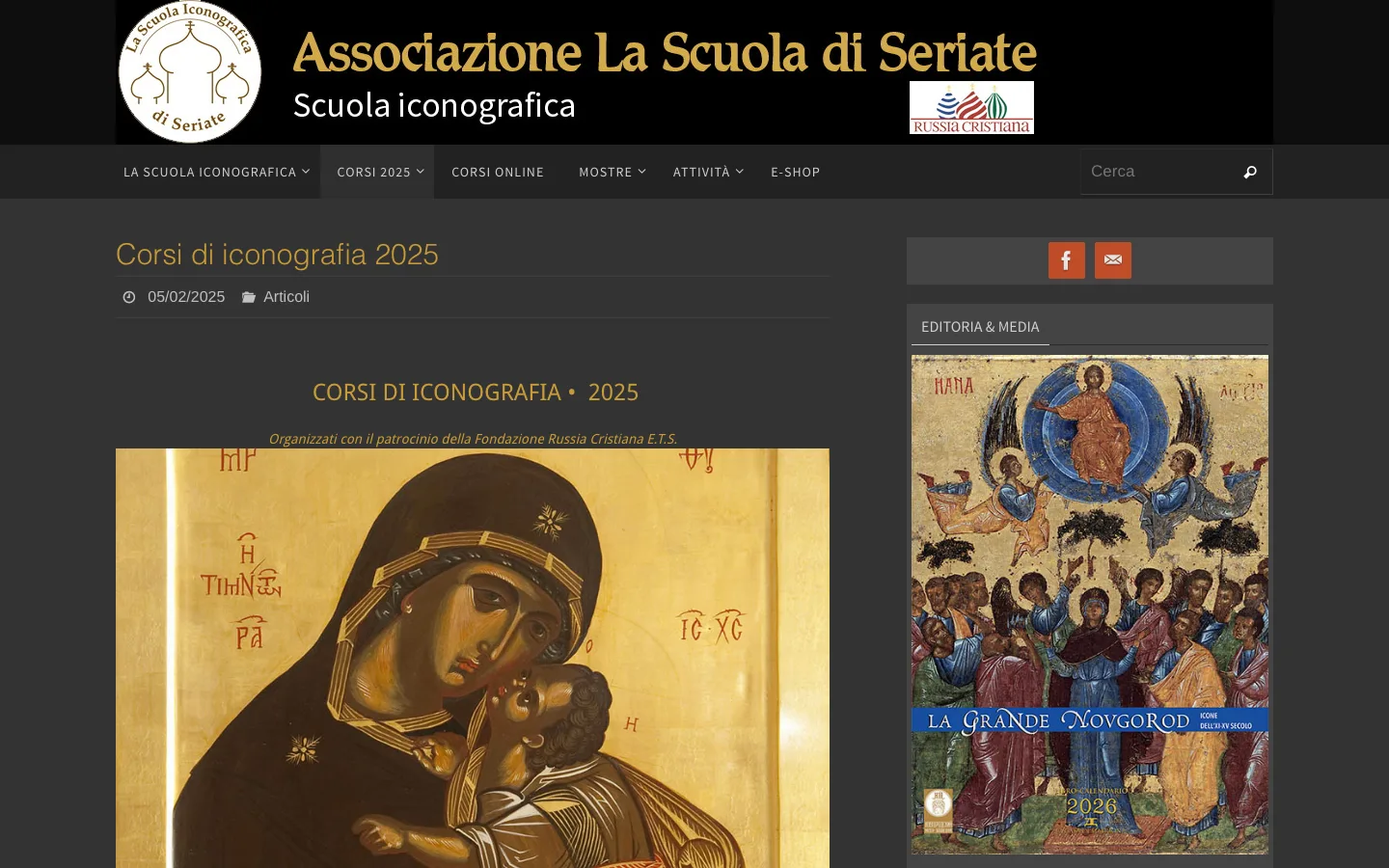
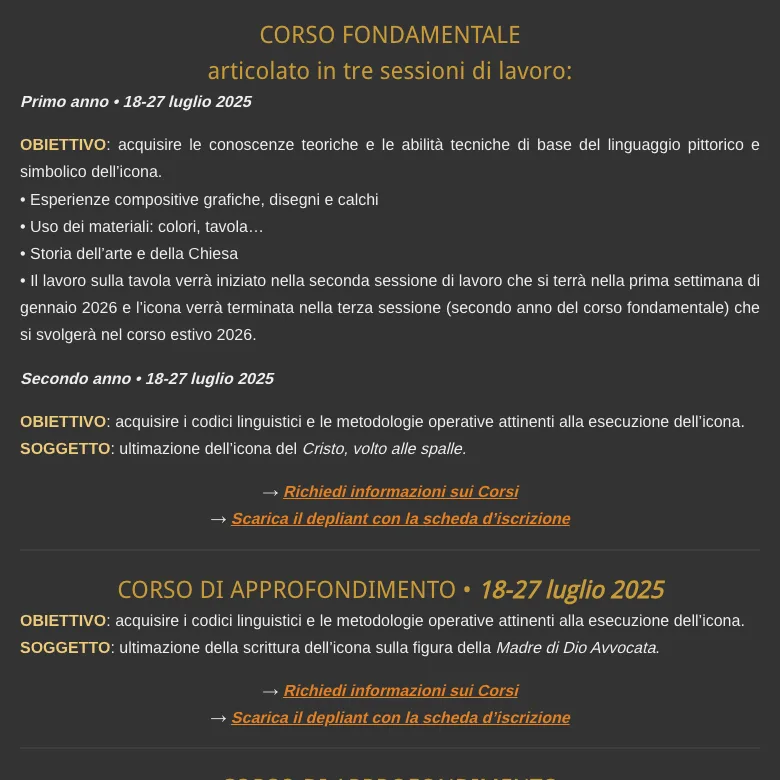
The most important page, the courses page, was written like a news article: the date at the top, a sidebar full of tags and recent posts, and sign-up left to a link in the text. The learning goals read like an official syllabus, word for word the same for three different courses.
On top of that, a new courses page was created every year. The old one stayed online and kept the signals it had built up, so for “corso di iconografia” (iconography course) the school only showed up in ninth place, with the previous year’s page.
What we did
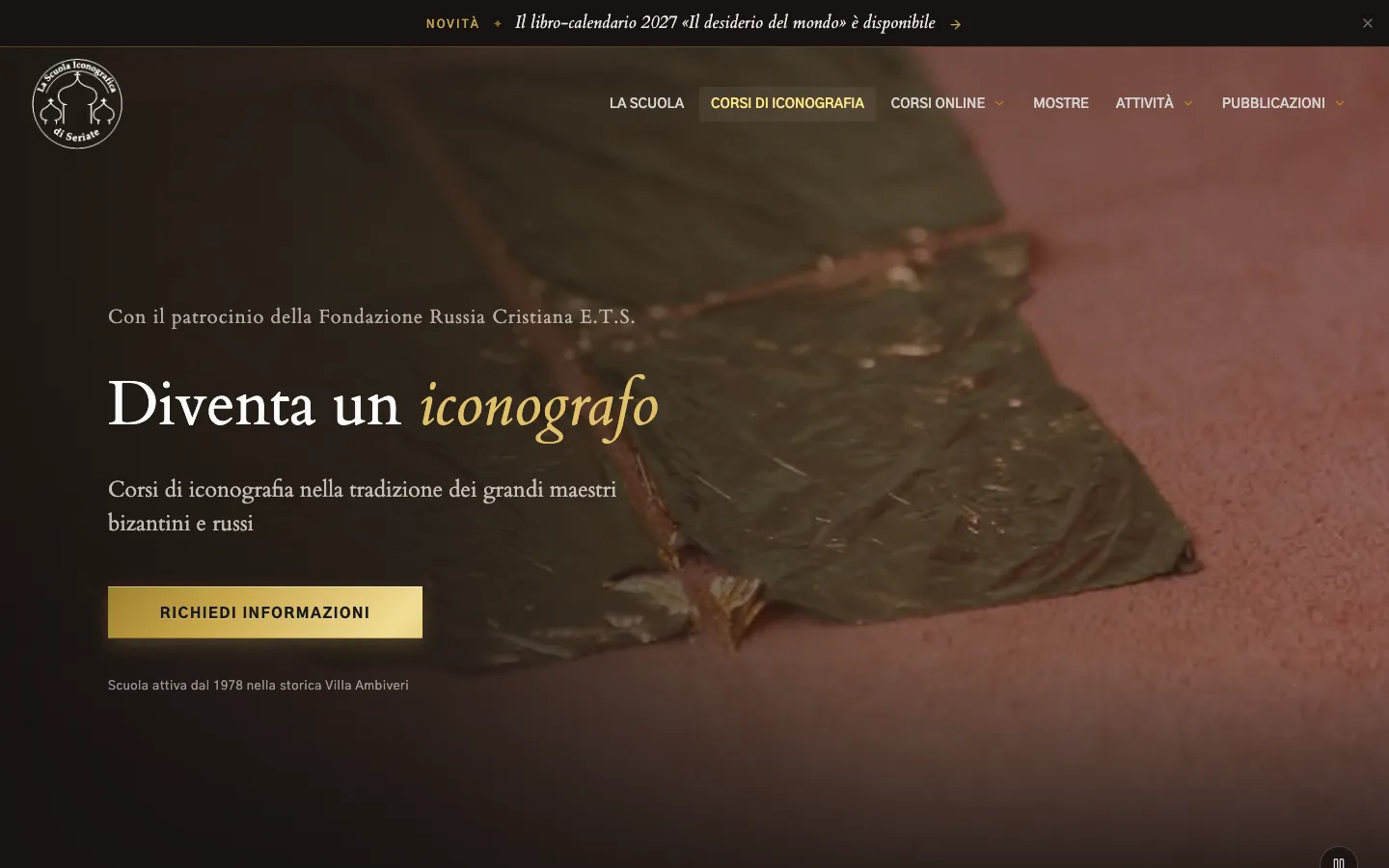
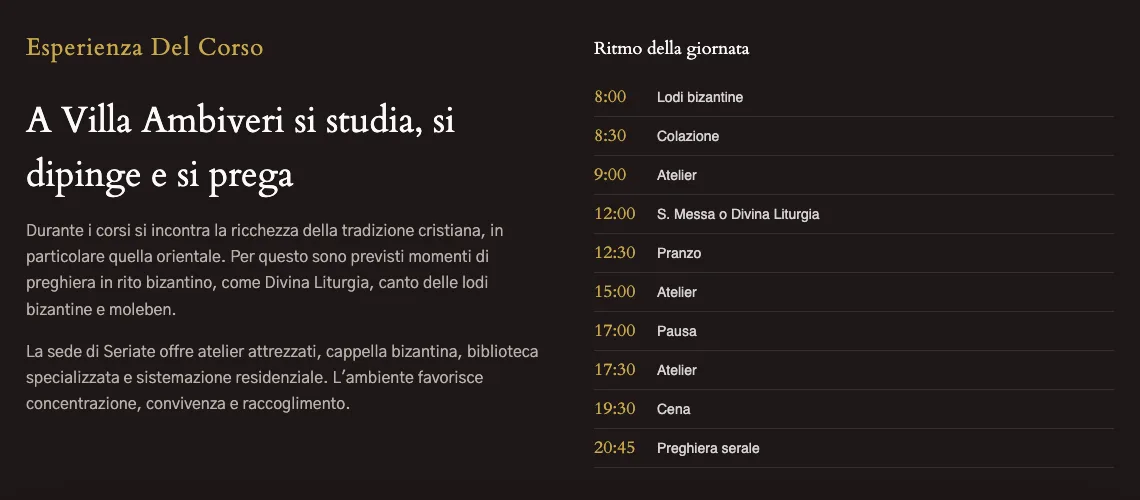
We started from the page that brings in students, rewriting the text from scratch for the people who sign up, not for the people who teach: “Become an iconographer” instead of syllabus goals, and someone who has never held a brush finds their own situation described in their own words. The course day is laid out hour by hour, from morning prayer (lauds) at 8:00 to the atelier at 9:00, because anyone leaving home for a week wants to know what they’ll actually be doing. The new page has been live since early April.
Meanwhile, the site was moving to a new technology. Instead of rebuilding it all at once, we moved it one section at a time, so the school’s site was never down. We left the information form page where it was, as they had asked us to: it’s tied into their whole internal organization.
Then came the work on the rest of the site:
- three informative pieces built around real searches (Rublëv’s Trinity, gold in icons, the Christian icon), which became the most visited informative pages
- a homepage that leads to the courses and the most-read content, instead of a chronological list of articles
- the online course pages, launched this summer, which show up above YouTube for “corsi di iconografia online” (online iconography courses)
- in October, a redesign of the whole courses section, split between beginners and those continuing the path, with a page for each course
The cyberattack and the full move to the new site
In mid-September, the part of the site still on WordPress was attacked. Whoever got in was adding fake online store pages, so that Google would show them under the school’s name: a way to exploit its authority to advertise products that have nothing to do with icons.
We noticed, and that same day we turned that part of the site into static pages: no more database, admin panel or plugins reachable from outside. From then on there was nothing left to attack.
Google, though, takes its time. The number of times the site appeared in search dropped by as much as half between late September and early October, while the fake pages were dropping out of Google. From mid-October they climbed back, and today they’re at 85% to 90% of their summer level.
The attack convinced us to speed things up. We wrapped up the gradual move planned for the following months on November 5: today WordPress is gone and the whole site runs on the new technology. We’ll see the effects of this last step on the data in the coming weeks.
The results
Overall site traffic stayed about the same. What changed is where it lands: on the page that brings in sign-ups.
- For the same number of appearances on Google, the new courses page gets clicked one time in ten, against one in forty for the old one, and its average position rose from 6.4 to 4.5.
- Weekly clicks on the courses page are about three times what they were before, and five times in the best weeks.
- For “corso di iconografia” and the searches that include the year, the school moved from ninth place to between second and fourth.
- Between April and mid-June, information requests grew 36% over 2025 and nearly tripled compared with 2024. The form collects requests from every channel, not just Google, but the growth starts right with the new page.
More projects
How it went for the others



Want to be our next success story?
Tell us about your project. We’ll start a conversation to understand whether we can help you make it happen.